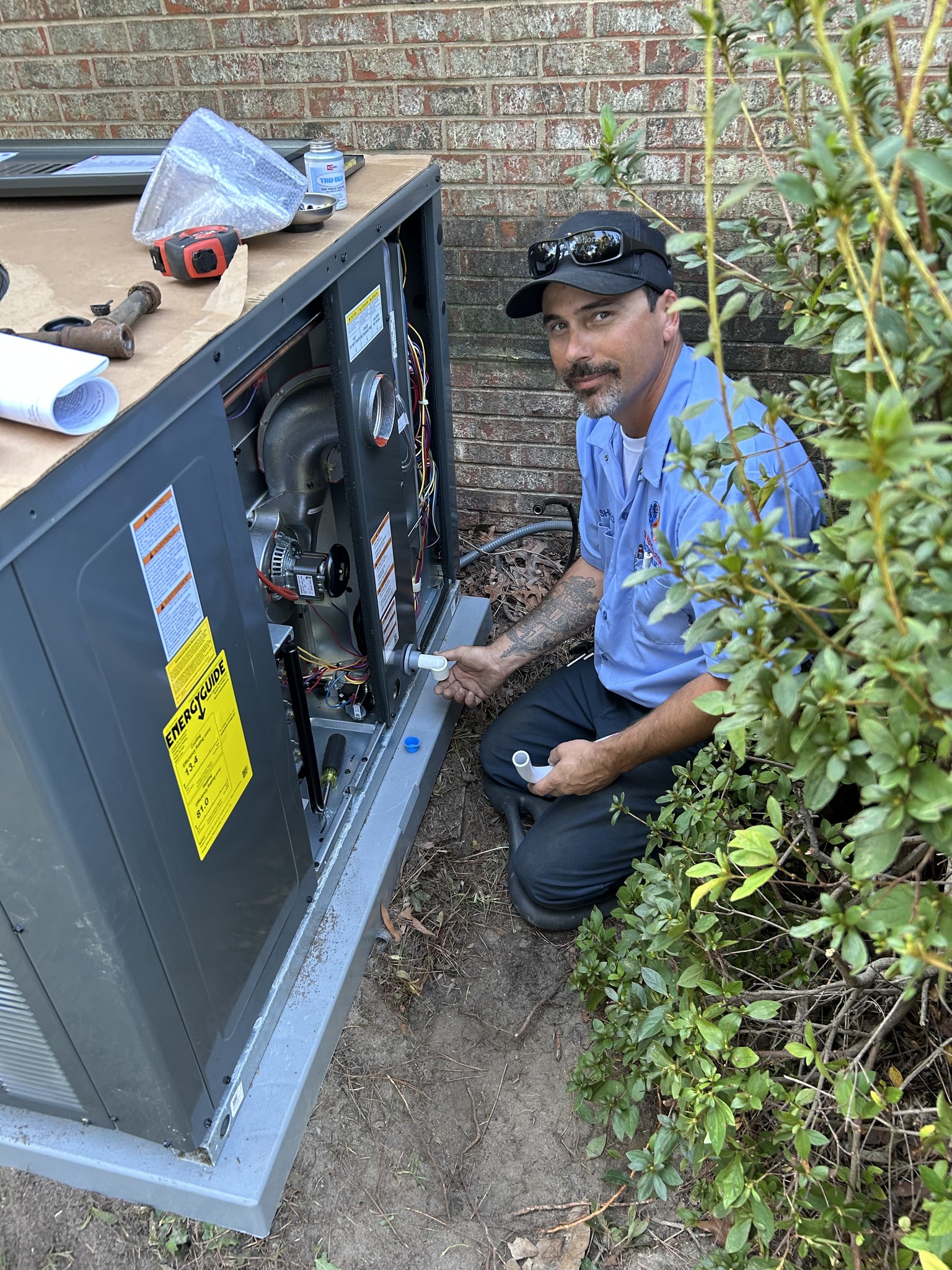
Decoding the Mystery: Understanding HVAC System Certifications and Ratings Dec 02, 2025
To begin, let's delve into the significance of HVAC certifications. These certifications are indicators of an appliance's efficiency, performance, and compliance with industry standards. One well-known certification is the ENERGY STAR label, developed by the Environmental Protection Agency (EPA). This certification is crucial because it indicates high energy efficiency, helping you reduce energy use and lower your utility bills.
Another essential certification is the Air Conditioning, Heating, and Refrigeration Institute (AHRI) rating. This certification provides assurance about the capacity and efficiency of HVAC systems. AHRI-rated systems have undergone rigorous testing to ensure they meet specific efficiency criteria. Choosing AHRI-rated systems means getting reliable performance and effective climate control.
In addition to certifications, understanding HVAC system ratings can enhance your decision-making. A common rating is the Seasonal Energy Efficiency Ratio (SEER), which measures the cooling efficiency of air conditioners and heat pumps. A higher SEER rating means greater energy efficiency. For instance, upgrading to a system with a SEER rating of 16 from one with a SEER of 10 can lead to significant energy savings.
For heating systems, the Heating Seasonal Performance Factor (HSPF) is a vital rating to consider. It measures the efficiency of heat pumps. Opting for systems with a higher HSPF rating ensures better heating efficiency and reduced energy consumption. Additionally, the Annual Fuel Utilization Efficiency (AFUE) is used to assess the efficiency of furnaces. An AFUE rating of 90% means that 90% of the fuel is used to provide heating, with the remaining 10% lost in the conversion process.
Understanding these certifications and ratings can help you select the best HVAC system for your needs. At SS Refrigeration, Heating and AC, we recommend looking for systems with both high SEER and AFUE ratings for balanced efficiency in cooling and heating.
Moreover, regular maintenance of certified systems ensures they operate at peak performance while extending their lifespan. Proper maintenance includes checking and replacing filters, cleaning coils, and inspecting ductwork. Partnering with a trusted HVAC service provider, like SS Refrigeration, Heating and AC, means seamless service and expert advice tailored to your system's specific needs.
In conclusion, understanding HVAC certifications and ratings doesn’t have to be a mystery. By knowing what these certifications mean, you can make informed decisions that enhance home comfort and energy efficiency. Whether it's an ENERGY STAR label or a high SEER and AFUE rating, these criteria are key indicators of a system’s capability to perform efficiently.
For assistance with your HVAC system or to explore certified and highly-rated options, reach out to SS Refrigeration, Heating and AC. We’re here to guide you towards the optimal system for your home, ensuring comfort and efficiency year-round.
/filters:no_upscale()/filters:format(webp)/media/53f90702-91a5-49ca-968e-3c08b59e7e92.jpeg)